


One of the most common questions women ask when starting a yoga practice is whether it is better to practice in the morning or in the evening. The honest answer is that there is no single correct time that works for every woman. Women’s bodies are dynamic, influenced by hormones, sleep quality, stress levels, responsibilities, and life stages. What feels supportive at one time of day may feel draining at another.
Rather than choosing the “right” time based on trends or rigid advice, it is far more beneficial to understand how different times of day affect the female body and nervous system. Yoga is meant to support balance, not create another rule to follow. When practiced with awareness, both morning and evening yoga offer distinct benefits, and each can serve different needs.
Understanding these differences allows women to choose a practice that aligns with how they actually feel, rather than how they think they should feel.
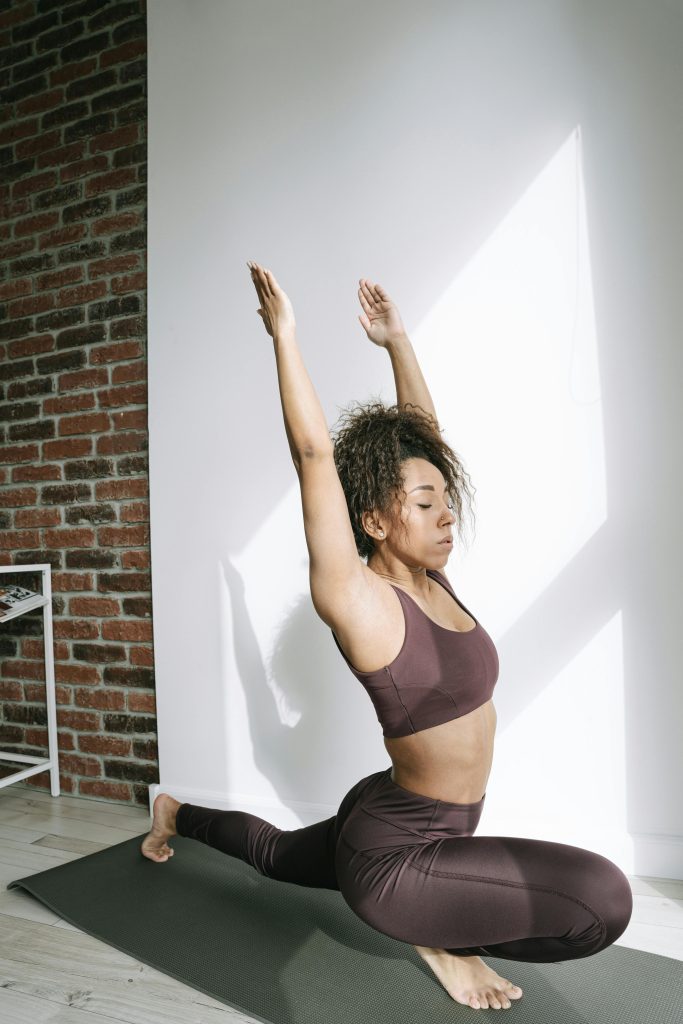
How Time of Day Influences the Female Body
The female body responds differently to movement depending on the time of day. Hormone levels, body temperature, energy availability, and mental focus naturally fluctuate. Morning and evening yoga engage the body and mind in unique ways.
In the morning, the body is transitioning from rest into activity. Muscles may feel stiff, the mind may feel slow, and energy may be uneven. In the evening, the body is transitioning from activity into rest, often carrying physical tension and mental fatigue accumulated throughout the day.
Yoga can support both transitions when practiced appropriately.
Morning Yoga: Waking the Body Gently
Morning yoga can be a powerful way to set the tone for the day, but for women, it is most beneficial when approached gently rather than aggressively. Early hours are not ideal for intense stretching or forceful movement, especially when joints and connective tissues are still warming up.
When practiced mindfully, morning yoga helps the body awaken gradually and prepares the nervous system for the day ahead.
Some key benefits of morning yoga for women include:
- Increased circulation and gentle energy activation
- Reduced morning stiffness in the spine and joints
- Improved mental clarity and focus
- A calmer response to daily stressors
- Establishing a consistent self-care ritual
Morning yoga works best when it emphasizes slow movement, breath awareness, and grounding rather than speed or intensity. Gentle spinal movements, simple stretches, and conscious breathing help the body transition into activity without shock or strain.
For women who experience anxiety, rushed mornings, or mental overload early in the day, even a short morning practice can create a noticeable shift in mood and presence.
Challenges of Morning Yoga for Women
Despite its benefits, morning yoga is not ideal for everyone. Many women wake up already depleted due to poor sleep, hormonal fluctuations, or caregiving responsibilities. Forcing a practice in these conditions can sometimes add stress rather than relieve it.
Common challenges include:
- Low energy levels upon waking
- Limited time in the morning
- Stiffness or discomfort
- Feeling pressured to “perform”
When morning yoga feels like another task rather than nourishment, it may be better to choose a different time of day. Yoga should support the body, not compete with its needs.
Evening Yoga: Releasing the Day
Evening yoga offers a different kind of support. Rather than energizing the body, it focuses on release, restoration, and preparation for rest. For many women, the evening is when stress and emotional tension finally surface after being held in throughout the day.
Gentle evening yoga allows the body to unwind and the mind to slow down. It helps shift the nervous system out of alert mode and into a state more conducive to rest and recovery.
Benefits of evening yoga often include:
- Relief from accumulated muscle tension
- Reduced mental overstimulation
- Improved sleep quality
- Emotional grounding
- A sense of closure at the end of the day
Evening practices are most effective when they are slow, quiet, and intentional. Long holds, gentle stretches, supported poses, and deep breathing help the body let go of the day without effort.
When Evening Yoga May Not Feel Right
Although evening yoga is deeply beneficial for many women, it is not always the best option. Some women feel mentally exhausted by the end of the day and struggle to engage with any form of movement. Others may find that practicing too late interferes with sleep if the practice is too stimulating.
Challenges may include:
- Fatigue or lack of motivation
- Busy evenings or family responsibilities
- Difficulty focusing
- Practicing too close to bedtime
In these cases, very short or restorative practices may be more supportive than longer sessions. Even five minutes of breathing or gentle stretching can be enough to create a shift.

Hormones, Cycles, and Timing
Hormonal cycles play a significant role in determining the most supportive time for yoga. Energy levels often fluctuate throughout the menstrual cycle, pregnancy, postpartum recovery, and menopause.
Some days naturally lend themselves to morning movement, while others call for evening rest. Paying attention to these patterns helps women work with their bodies rather than against them.
Rather than committing rigidly to one time, many women benefit from flexibility. Morning yoga may feel nourishing during high-energy phases, while evening yoga may feel essential during more sensitive or low-energy periods.
Choosing What Works for You
The most effective yoga practice is the one that feels sustainable and supportive. Instead of asking whether morning or evening yoga is better in general, it is more helpful to ask what your body needs right now.
Helpful questions include:
- Do I need energy or calm today?
- Am I holding tension or feeling sluggish?
- What time allows me to practice without rushing?
- Which practice feels like care rather than effort?
Yoga is not about discipline alone. It is about awareness and responsiveness.
A Balanced Approach
Many women find that a combination of both morning and evening yoga works best over time. Short morning practices can support focus and presence, while evening practices support release and rest. This balanced approach allows yoga to meet different needs without becoming rigid.
What matters most is not the time of day, but the intention behind the practice. Yoga practiced with kindness, patience, and awareness will always be more beneficial than yoga practiced out of obligation.
Final Thoughts
Morning and evening yoga both offer meaningful benefits for women’s bodies and minds. There is no universal rule, no ideal schedule, and no perfect routine. There is only your body, your life, and your needs in this moment.
Yoga invites women to listen rather than conform. Whether you move at sunrise, sunset, or somewhere in between, the practice remains the same at its core. It is a space to breathe, to soften, and to reconnect.
When yoga fits naturally into your life, it becomes not just a practice, but a quiet source of support you can return to whenever you need it.