
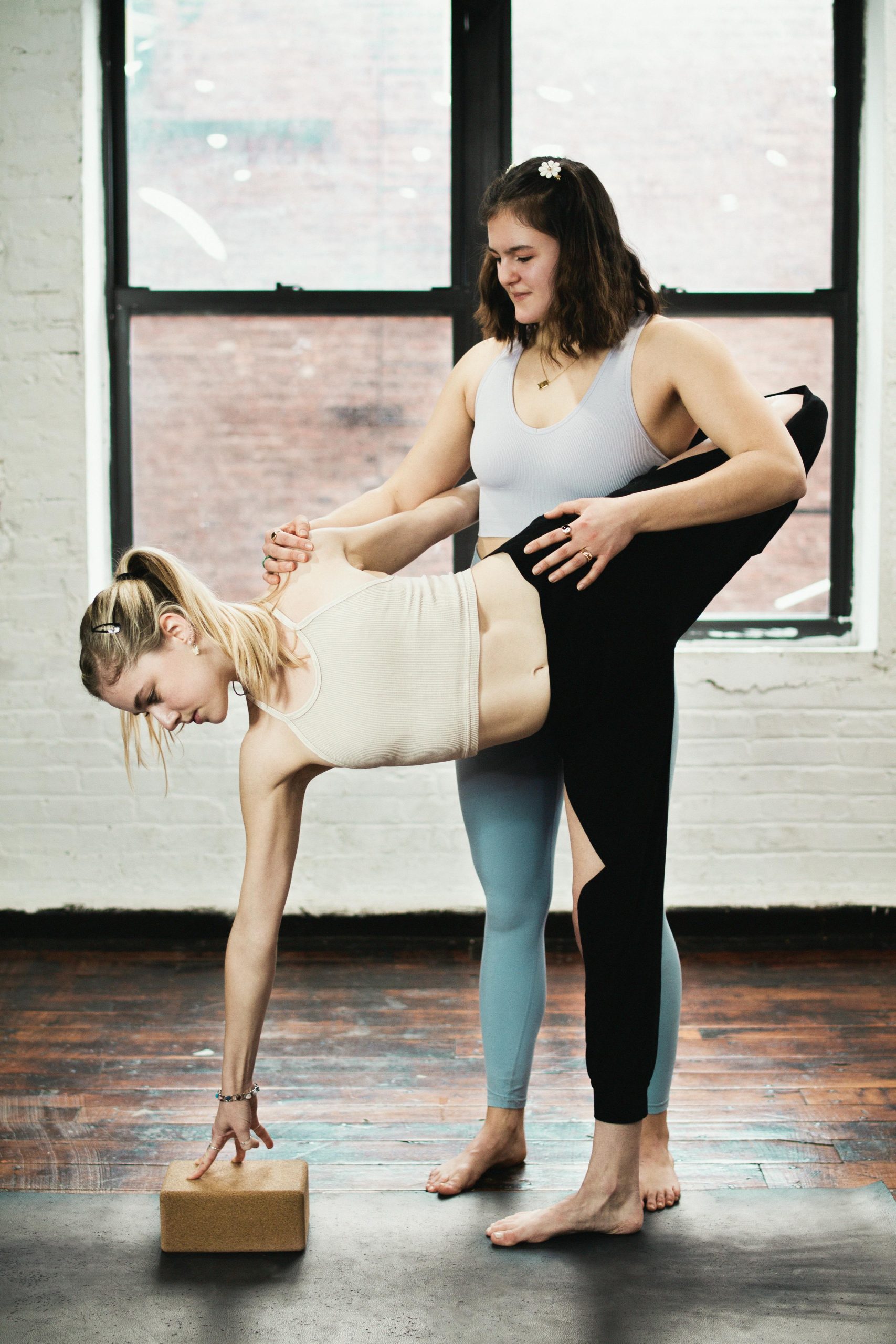
Yoga has become one of the most popular wellness practices in the world, yet many women still feel unsure about where or how to begin. Images of extreme poses, fast-paced classes, or rigid routines can make yoga seem intimidating, inaccessible, or “not for me.”
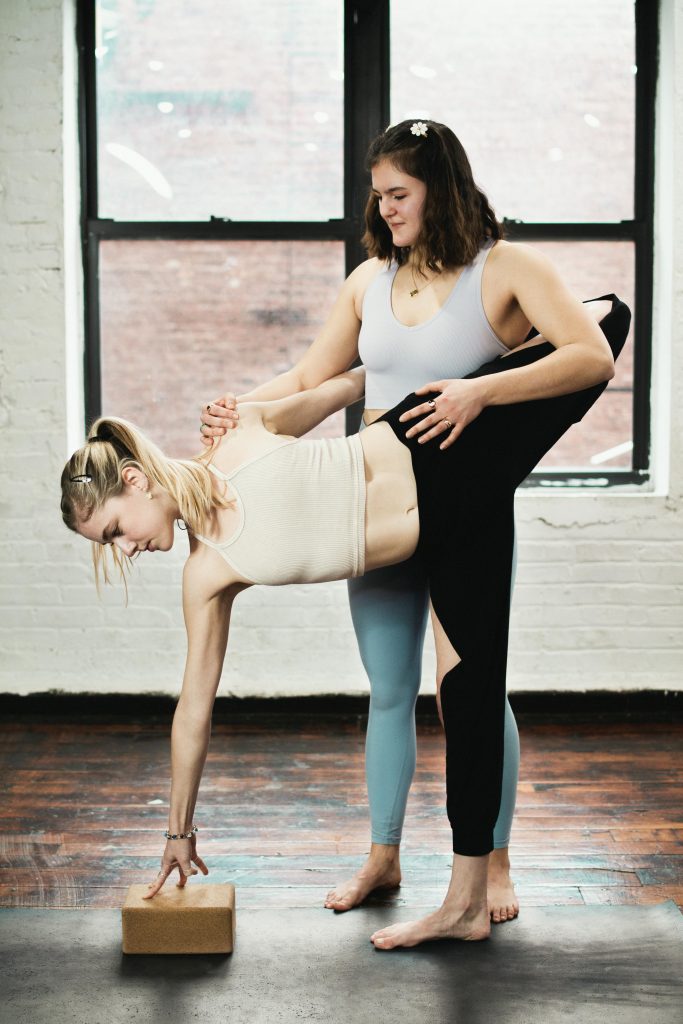
The truth is simple: yoga was never meant to be extreme.
And it was never meant to exclude anyone.
For women especially, yoga is most powerful when it is gentle, intuitive, and aligned with the body’s natural rhythms. This guide is created to help you understand yoga from a natural, supportive perspective—one that honors your body, your pace, and your lived experience.
Whether you are brand new to yoga or returning after a long break, this guide will walk you through everything you need to know to begin confidently and comfortably.
What Yoga Really Means for Women
Yoga is often misunderstood as just stretching or physical exercise. In reality, yoga is a holistic practice that integrates movement, breath, awareness, and rest.
For women, yoga can be especially supportive because:
- Women’s bodies are cyclical and adaptive
- Hormones influence energy, mood, and strength
- Emotional stress often accumulates in the body
- Rest and recovery are just as important as movement
Yoga provides a way to listen inward, rather than pushing outward.
At its core, yoga is about connection—connecting breath to movement, mind to body, and awareness to everyday life.
Why Gentle Yoga Is Ideal for Beginners
If you are new to yoga, gentleness is not a limitation—it is a strength.
Gentle yoga:
- Reduces the risk of injury
- Builds confidence and body awareness
- Supports the nervous system
- Encourages consistency instead of burnout
Many women abandon yoga not because it doesn’t work, but because they start with practices that are too intense, too fast, or too demanding.
A gentle approach allows your body to adapt naturally, making yoga sustainable and enjoyable.
Common Myths That Stop Women from Starting Yoga
Before going further, let’s clear up a few myths that often hold women back.
“I’m not flexible enough”
Flexibility is not a requirement for yoga—it is a result of yoga. You do not become flexible before you start. You become flexible because you start.
“I’m too old to begin”
Yoga meets you where you are. Age is not a barrier. Many women discover yoga later in life and experience profound benefits.
“I don’t have time”
Even 10 minutes of gentle movement and breath can make a difference. Yoga does not require long sessions to be effective.
“I need to be fit first”
Yoga is not a reward for fitness. It is a tool that supports fitness, mobility, and wellbeing at any stage.
Understanding the Female Body and Yoga
Women’s bodies are dynamic. Energy levels change daily and monthly due to hormonal cycles, stress, sleep, and life demands.
A natural yoga practice respects:
- Fluctuating energy levels
- Emotional sensitivity
- Joint flexibility differences
- The need for rest
Rather than following rigid routines, women benefit most from yoga that adapts to how the body feels today.
Some days call for gentle stretching and breath.
Other days allow for strength and flow.
Both are equally valuable.
The Benefits of Yoga for Women
When practiced consistently and gently, yoga offers wide-ranging benefits for women’s physical, mental, and emotional health.
Physical Benefits
- Improved flexibility and mobility
- Increased strength without strain
- Better posture and body alignment
- Reduced muscle tension
- Support for joint health
Mental and Emotional Benefits
- Reduced stress and anxiety
- Improved emotional regulation
- Better sleep quality
- Enhanced focus and clarity
- A greater sense of calm
Lifestyle Benefits
- Improved self-awareness
- Healthier daily routines
- A stronger mind-body connection
- Increased resilience in daily life
Yoga does not aim to change who you are.
It helps you feel more at home in your body.
Types of Yoga Suitable for Beginners
Not all yoga styles are the same. For beginners, especially women, some styles are more supportive than others.
Gentle Yoga
Slow-paced, supportive, and accessible. Focuses on basic poses, breath, and relaxation.
Hatha Yoga
A traditional style that moves slowly and holds poses longer. Ideal for learning foundations.
Restorative Yoga
Uses props to support the body fully. Excellent for stress relief and deep relaxation.
Yin Yoga (with guidance)
Targets deep connective tissues with long holds. Should be practiced gently and mindfully.
As a beginner, it is best to avoid fast, high-intensity styles until your body feels ready.
How to Start Yoga at Home
One of the most empowering aspects of yoga is that it can be practiced anywhere—even at home.
What You Need
- Comfortable clothing
- A yoga mat or soft surface
- A quiet space
- An open, patient mindset
You do not need expensive equipment or a perfect environment. Consistency matters more than perfection.
Creating a Simple Routine
Start with:
- 5–10 minutes of gentle movement
- Basic stretches for the spine, hips, and shoulders
- Slow, deep breathing
- A short rest at the end
As your comfort grows, you can gradually increase time and variety.
The Role of Breath in Yoga
Breath is the foundation of yoga.
For beginners, learning to breathe slowly and deeply is often more important than learning poses.
Gentle breathing:
- Calms the nervous system
- Improves focus
- Reduces tension
- Enhances body awareness
In yoga, breath guides movement. If your breath feels strained, it’s a signal to slow down.
Listening to Your Body
Perhaps the most important skill in yoga is listening.
Your body communicates constantly through sensations, breath, and comfort levels. Yoga encourages awareness, not endurance.
Signs to slow down:
- Sharp or pinching pain
- Holding your breath
- Dizziness or discomfort
- Feeling overwhelmed
Yoga is not about pushing through pain. It is about responding with care.
Yoga and Self-Compassion
Many women approach wellness with self-criticism. Yoga offers an opportunity to practice self-compassion.
Instead of asking:
- “Am I doing this right?”
Try asking:
- “How does this feel in my body?”
Progress in yoga is subtle. It appears as ease, comfort, and confidence—not dramatic transformation.
Making Yoga a Sustainable Habit
Consistency matters more than intensity.
Tips for building a lasting practice:
- Start small
- Practice at the same time daily
- Choose practices that feel good
- Let go of comparison
- Allow flexibility in your routine
Yoga is a relationship you build over time. Some days will feel effortless. Others will feel challenging. Both are part of the journey.
Yoga Is Not a Destination
Yoga is not something you “complete.”
It evolves as you do.
As your body changes, your practice changes. As your life changes, your needs change. Yoga remains a steady support through all seasons of womanhood.
Final Thoughts: Beginning Is Enough
If you are considering yoga, you are already on the path.
You do not need flexibility, strength, or experience.
You only need willingness and patience.
Yoga for women is not about achieving a shape.
It is about creating space—physically, mentally, and emotionally.
Move gently.
Breathe deeply.
Begin where you are.